JCTEF Transformation Program Cohort 1: Learning Emotional Intelligence and Regulation
Session date: 29 August 2026
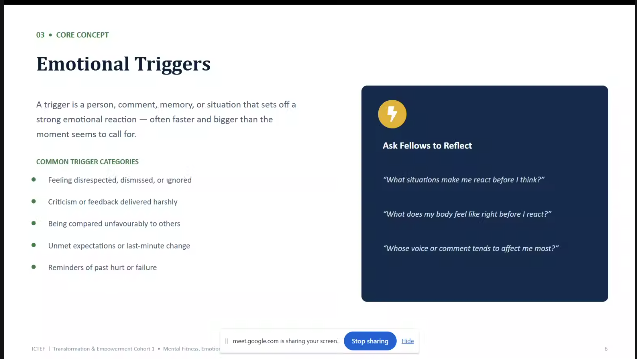
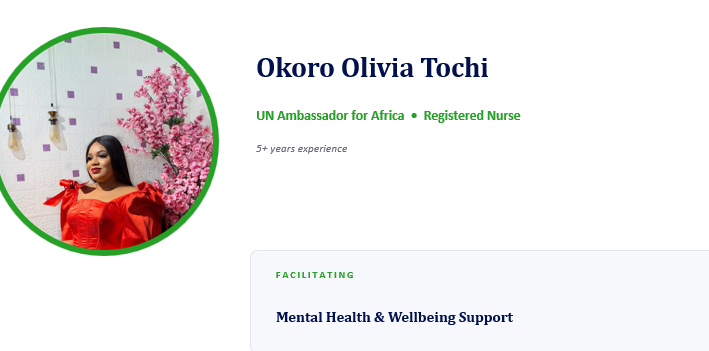
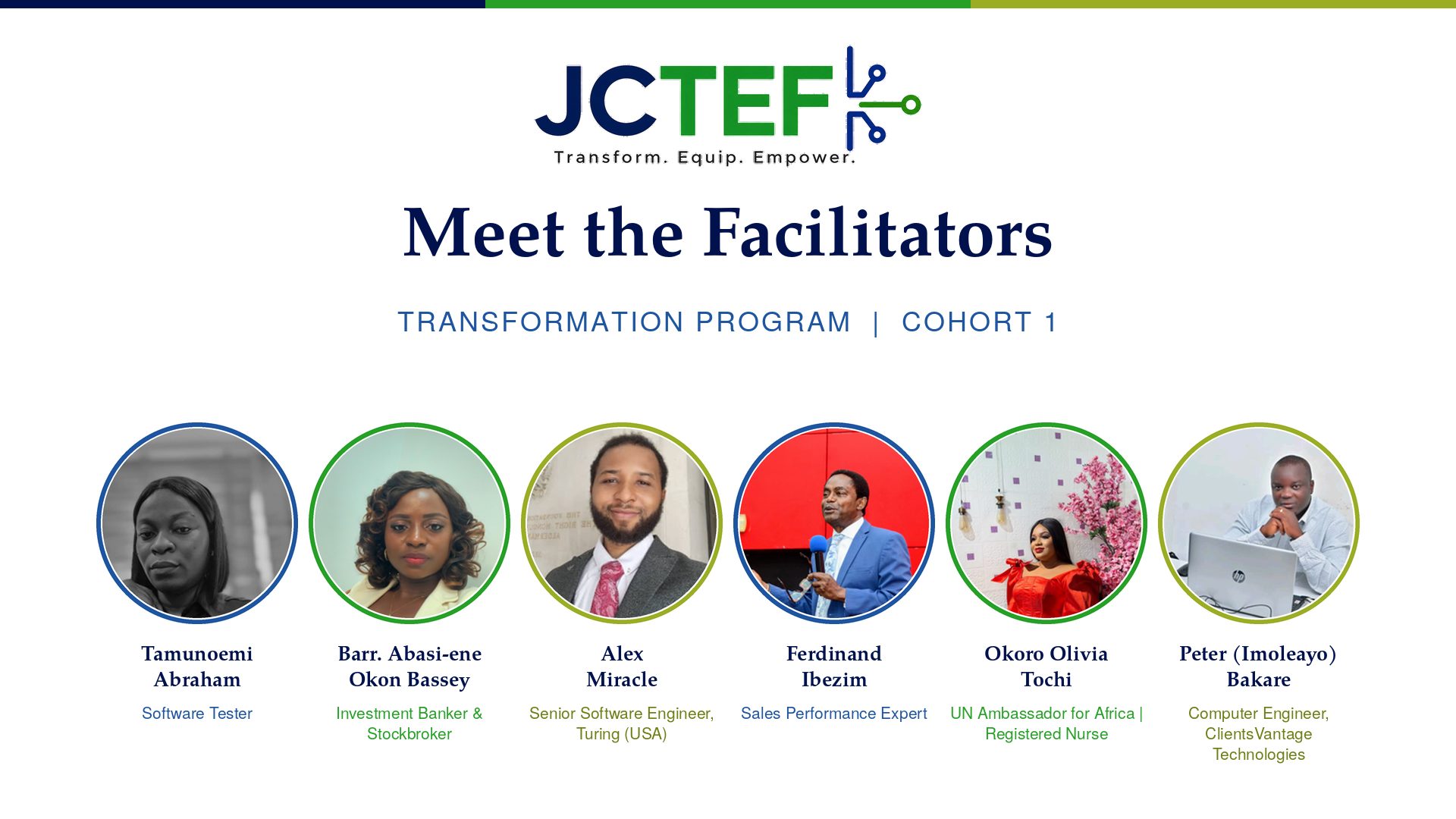
As part of the JCTEF Transformation Program Cohort 1 journey in August 2026, our Fellows participated in an engaging session on Emotional Intelligence & Regulation, facilitated by Tamunoemi Abraham.
Drawing from both knowledge and personal experience, Tamunoemi guided the Fellows through an interactive conversation about understanding emotions, regulating responses and communicating more intentionally.
An Interactive Learning Experience
The session went beyond a traditional presentation.
Fellows shared personal experiences, asked thoughtful questions, listened to one another and engaged with practical responses and guidance throughout the session.
This created room for honest reflection on how emotions influence the way we communicate, respond to pressure, navigate relationships and interact with people in our everyday lives.
Do Not Suppress Your Emotions. Learn to Communicate Them Strategically.
One of the key takeaways from the session was:
“Do not suppress your emotions. Learn to communicate them strategically.”
Emotional intelligence is not about having no emotions.
It is about recognising what you feel, understanding why you feel it, regulating your response, and communicating appropriately.
When someone or something triggers us, pretending that we are not affected does not necessarily make the emotion disappear. Developing emotional intelligence requires learning how to acknowledge what we feel and decide how best to respond.
That distinction is particularly important in our workplaces, relationships, leadership and everyday interactions.
The Human Side of Development
The session also explored why emotional intelligence matters beyond our personal lives.
Technical competence is important, but the ability to communicate, collaborate, handle pressure, navigate conflict and relate effectively with others also plays an important role in how we function and grow.
A commonly cited observation attributed to Dale Carnegie highlights this broader idea, suggesting that human and interpersonal skills play a significant role alongside technical knowledge.
Regardless of whether one agrees with the exact percentages often associated with the statement, the underlying message remains relevant:
Skill competence alone is not enough.
How we relate with people matters.
How we handle pressure matters.
How we respond to conflict matters.
How we communicate matters.
How we understand ourselves and others matters.
Emotional Intelligence Is a Continuous Practice
Perhaps one of the most important lessons from the session was that emotional intelligence is not a one-time achievement.
It is a continuous practice of learning, reflection and improvement.
At JCTEF, this is the kind of development we want our Fellows to embrace — not perfection, but intentional growth.
Watching the Fellows open up, reflect on their experiences, ask questions and learn from one another was a meaningful part of the session.
Beyond the Classroom
The Emotional Intelligence & Regulation session was another step in the Cohort 1 journey.
For JCTEF, transformation is not simply about what people know. It is also about how that knowledge begins to shape how they live, work, lead and relate with others.
As the Transformation Program continues, Fellows will explore other dimensions of personal and professional development, gradually building the awareness, skills and capacity needed to move toward greater productivity.
Transformation precedes empowerment.